
Kyle Rittenhouse became a nationally recognized name after a night of violence in Kenosha, Wisconsin, in August 2020. The events surrounding him led to one of the most closely watched criminal trials in recent American history, sparking intense discussions about self-defense, firearms, protests, and the role of media coverage in shaping public opinion. At the center of the story was a teenager who traveled to Kenosha during unrest following the police shooting of Jacob Blake. What happened that night, the legal battle that followed, and Rittenhouse’s life after the verdict continue to attract public attention years later.
Who Is Kyle Rittenhouse?
Kyle Howard Rittenhouse was born on January 3, 2003, in Antioch, Illinois. Before becoming a public figure, he was a teenager with an interest in emergency services and public safety. He had expressed interest in careers connected to law enforcement and firefighting. His life changed dramatically after the events in Kenosha. At just 17 years old, he became the subject of national debate after being involved in a shooting that resulted in two deaths and one injury during protests in the city. The case placed him at the center of wider conversations about teenagers, firearms, self-defense laws, and public unrest.
What Happened in Kenosha?
In August 2020, Kenosha experienced several nights of protests following the police shooting of Jacob Blake. During the unrest, businesses and buildings were damaged, and groups of armed individuals were present in the area. On August 25, 2020, Rittenhouse traveled from Illinois to Kenosha. He later said he went there because he wanted to help provide medical assistance and protect property. Critics questioned his decision to enter an unstable situation while carrying a firearm. That night, a series of confrontations occurred between Rittenhouse and several people in the area. The encounters ended with three people being shot, two of whom died.
The People Involved in the Shooting
The incident involved three individuals who were shot during the confrontation. Joseph Rosenbaum was killed during the first encounter involving Rittenhouse. Anthony Huber later died after being shot during another confrontation. Gaige Grosskreutz survived after being wounded. The events surrounding each shooting became the main focus of the courtroom arguments. Prosecutors and defense attorneys presented different interpretations of what happened before and during those encounters.
The Kyle Rittenhouse Trial
The trial began in November 2021 in Kenosha County, Wisconsin. The prosecution argued that Rittenhouse’s actions were reckless and that he should be held responsible for the deaths and injury. The defense presented a different argument, saying Rittenhouse feared for his life and acted in self-defense. A major part of the trial involved video recordings from the night, witness testimony, and discussions about Wisconsin’s self-defense laws. After hearing the evidence, the jury reached its decision on November 19, 2021.
Why Was Kyle Rittenhouse Acquitted?
Kyle Rittenhouse was found not guilty on all charges, including homicide-related charges. The jury accepted the defense argument that he acted in self-defense under Wisconsin law. The verdict created strong reactions across the United States. Supporters viewed the decision as a confirmation of self-defense rights, while critics argued that the situation raised serious concerns about armed civilians entering protests. The legal outcome ended the criminal case, but public debate around the events continued.
Why Did Kyle Rittenhouse Cry During the Trial?
One of the most widely shared moments from the trial happened when Rittenhouse became emotional while testifying in court. During his testimony, he cried while describing the events of that night. The emotional moment received significant media attention because it showed the personal impact of the trial on the defendant. After the verdict was announced, cameras captured Rittenhouse reacting emotionally as he hugged members of his legal team.
Where Is Kyle Rittenhouse Now?
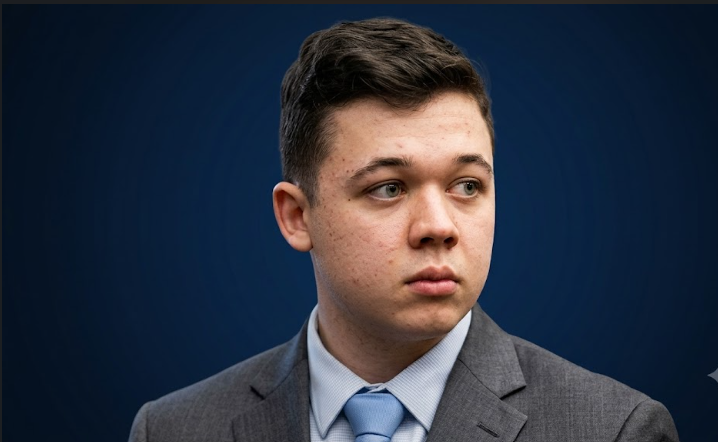
After the trial, Kyle Rittenhouse remained a public figure. He has participated in interviews, attended public events, and spoken about topics related to his case and gun rights. His name continues to appear in discussions about self-defense laws and political debates. While some people continue to support him, others remain critical of his actions and the circumstances surrounding the Kenosha shootings. His post-trial life has been shaped largely by the attention created by the case.
Kyle Rittenhouse’s Public Image and Online Attention
The case turned Rittenhouse into a highly discussed figure online. His name has been connected with social media debates, memes, and political conversations. Internet reactions have varied widely. Some users have treated him as a symbol of self-defense rights, while others have used online platforms to criticize him and discuss broader issues surrounding guns and protests. The intense online attention shows how modern criminal cases can become part of larger cultural debates beyond the courtroom.
Kyle Rittenhouse’s Personal Life
Many people search for information about Kyle Rittenhouse’s personal life, including questions about his relationships, marriage, and financial situation. However, much of the information circulating online is based on speculation rather than confirmed details. Rittenhouse has kept many personal matters private, and there is limited verified information about his current relationships or family life.
Kyle Rittenhouse Net Worth
There is no officially confirmed figure for Kyle Rittenhouse’s net worth. Various websites have published estimates, but these numbers are difficult to verify. Following the trial, he gained attention through public appearances and media-related activities. However, there are no reliable public financial records that provide an exact picture of his income or assets.
The Lasting Impact of the Case
The Kyle Rittenhouse case remains significant because it brought several controversial topics together in one courtroom. The trial became a national discussion about self-defense, gun ownership, protests, and how people interpret video evidence. For some, the case represents an example of lawful self-defense. For others, it represents concerns about armed individuals becoming involved in public demonstrations. Years after the verdict, the case continues to influence conversations about American law and society.
Conclusion
Kyle Rittenhouse’s story remains one of the most discussed criminal cases of recent years. The events in Kenosha, the courtroom battle, and the final verdict created debates that extended far beyond the people directly involved. Although the criminal case ended with an acquittal, public opinions about the incident remain deeply divided. The case continues to be referenced in conversations about self-defense, firearms, and the relationship between law, media, and public opinion. For anyone trying to understand Kyle Rittenhouse’s story, the most important point is separating the confirmed facts of the legal case from the wider political arguments that developed around it.