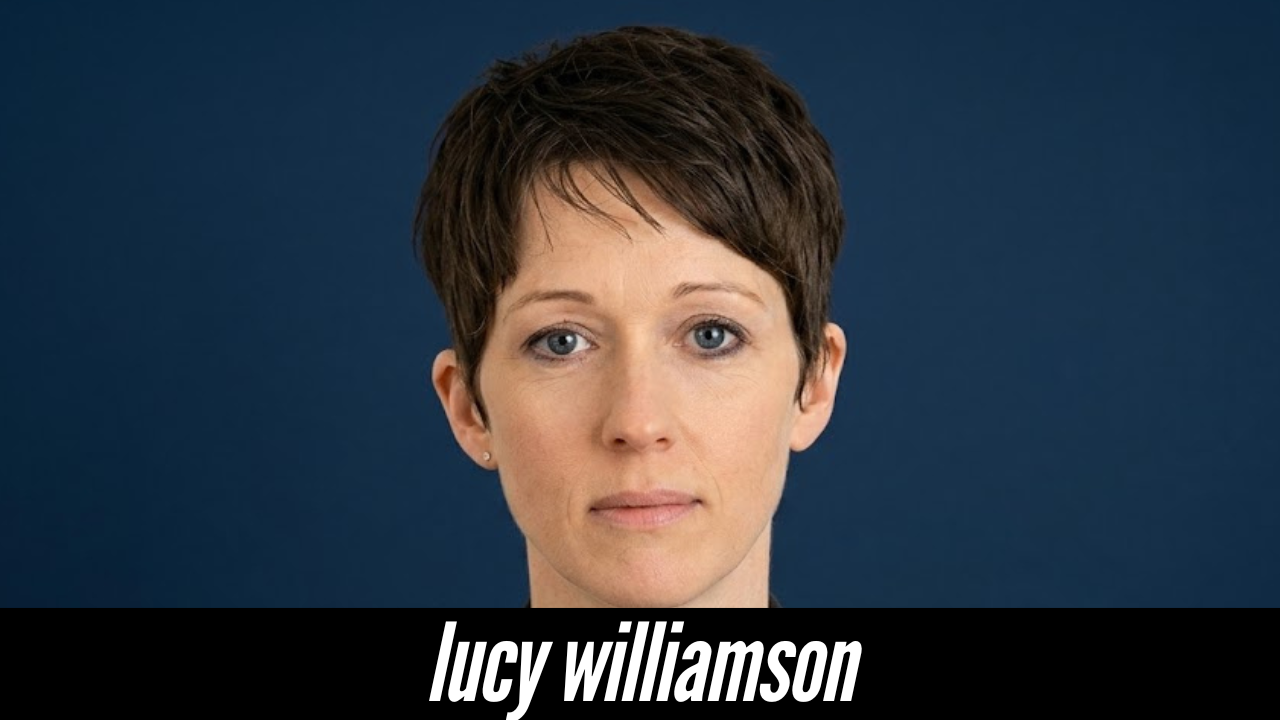
Lucy Williamson is a British journalist recognized for her work as an international correspondent with BBC News. Over the years, she has reported from some of the world’s most politically sensitive regions, covering conflicts, elections, diplomacy, and social issues. Her career has been built around explaining complicated global events in a way that helps audiences understand the people and decisions behind major headlines. Unlike many public figures who gain attention through their personal lives, Williamson has remained known primarily for her journalism. Her reporting style focuses on direct observation, interviews, and providing context behind the stories she covers.
Who Is Lucy Williamson?
Lucy Williamson is a BBC journalist who specializes in international reporting. She has worked on stories involving political change, global affairs, and regional conflicts, making her a familiar face to audiences following BBC News coverage. Her work has taken her beyond traditional newsroom reporting. As a foreign correspondent, she has spent time in different countries, speaking with politicians, experts, and ordinary people affected by major events. This type of reporting requires not only strong writing and broadcasting skills but also an understanding of different cultures and political systems. Williamson’s career reflects the role of a modern international journalist: helping audiences make sense of events that often involve complicated histories, competing viewpoints, and fast-changing situations.
Lucy Williamson’s Early Life and Education
Details about Lucy Williamson’s childhood and family background have remained mostly private. Unlike celebrities who regularly share personal information, she has kept attention on her professional work rather than her private life. Before becoming an international reporter, Williamson developed an interest in languages and global affairs. She studied English and Persian at the University of Manchester, an academic path that connected her with different cultures and regions of the world.
Her language studies became particularly valuable during her journalism career. Foreign correspondents often need more than reporting skills; they need cultural awareness and the ability to understand communities from within their own context.
How Lucy Williamson Built Her BBC Journalism Career
Lucy Williamson joined the BBC in 2002 and gradually developed experience across different reporting roles. Her career progression reflects years of covering international stories rather than focusing on one specific area of journalism. During her time with BBC News, she has worked in several locations, including Europe, Asia, and the Middle East. Each assignment required adapting to different political environments and understanding the concerns of local communities.
Her reporting has covered subjects such as government decisions, international relations, social movements, and conflicts. Through these assignments, she has developed a reputation as a journalist who focuses on explaining why events happen, not just what happened.
Her Work as an International Correspondent
International correspondence is one of the most demanding areas of journalism. Reporters working abroad often have to make sense of unfamiliar situations while providing accurate information for audiences thousands of miles away. Williamson’s work has included reporting from areas where politics and security issues strongly affect daily life. Her role has involved interviewing key figures, gathering information from communities, and presenting stories with background and analysis.
A major strength of foreign reporting is the ability to connect global events with human experiences. Instead of only discussing political decisions, international correspondents often show how those decisions influence families, businesses, and communities.
Lucy Williamson’s Middle East Reporting Career
One of Williamson’s best-known roles has been her work covering the Middle East. The region has been a major focus of international news for decades because of its political conflicts, security challenges, and changing relationships between countries. Reporting from the Middle East requires journalists to understand historical events, cultural differences, and regional politics. Williamson’s background in Persian studies provided useful preparation for covering stories connected to the region. Her reporting has focused on helping audiences understand developments beyond immediate headlines. This includes looking at the people affected by political decisions and explaining the wider issues behind breaking news.
Major Stories and Reporting Style
Throughout her BBC career, Williamson has covered a wide range of international topics. Her assignments have included political developments, humanitarian issues, and major events that shaped public discussion. Her reporting style is centered on clarity. Complex international stories can often involve multiple countries, organizations, and historical factors, making simple explanations valuable for viewers. Rather than presenting events as isolated incidents, her work often connects current developments with the background needed to understand them. This approach is especially important in international journalism, where context can change how audiences view a story.
Lucy Williamson’s Andrew Tate Interview and Public Attention
Lucy Williamson received increased public attention after interviewing Andrew Tate for BBC News. The interview attracted discussion because Tate is a controversial online personality with a large following and strong public reactions surrounding his statements and legal situation.
The conversation became widely discussed online, with viewers debating both Tate’s responses and Williamson’s interviewing approach. For journalists, interviews with controversial figures often involve balancing difficult questions with allowing audiences to hear the subject’s perspective. The interview highlighted Williamson’s role as a journalist willing to question public figures on issues attracting significant attention.
What Is Known About Lucy Williamson’s Personal Life?
Many people search for information about Lucy Williamson’s husband, partner, children, and age. However, she has generally kept personal details away from public attention. Unlike some television personalities who share family information openly, Williamson has maintained a professional public image. Most reliable information available about her focuses on her education, journalism career, and international assignments. Her private approach allows her work as a reporter to remain the main focus of public discussion.
Lucy Williamson Age, Husband and Family Questions
Questions about Lucy Williamson’s exact age appear frequently online, but her confirmed birth date is not widely available through official sources. Estimates found online should be treated carefully because they are not based on publicly confirmed information. The same applies to questions about her marriage and family. While some websites publish claims about her personal relationships, Williamson has not made these details a central part of her public identity. The strongest information about her comes from her professional achievements and BBC career.
Why Lucy Williamson Is Respected in Journalism
Lucy Williamson’s career represents the importance of experienced international reporting. Covering events across different countries requires preparation, adaptability, and the ability to communicate complex issues clearly. Her work shows the value of journalists who go beyond headlines and provide deeper understanding. In a time when audiences receive news from many different sources, reliable reporting remains essential. Through years of BBC journalism, Williamson has established herself as a correspondent known for covering important global stories with professionalism and careful analysis.
Conclusion
Lucy Williamson has built a respected career by reporting on some of the world’s most important stories through her work with BBC News. Her experience as an international correspondent reflects the challenges and responsibilities of modern journalism. While online searches often focus on personal details such as her age or family, her professional achievements remain the clearest part of her public profile. Her reporting continues to show the value of careful journalism that explains events rather than simply announcing them. For audiences interested in global affairs, Lucy Williamson’s career offers an example of how international correspondents help people understand a changing world through reporting, interviews, and firsthand coverage.